

Intelligent Cleaning Solutions for Property Decision-Makers
Intelligent cleaning solutions give property owners and managers a way to plan exterior maintenance around the building, the surface, access, and the result required. Rather than choosing equipment first, the team assesses the site, then selects a suitable combination of drone cleaning, water-fed pole window cleaning, commercial pressure washing, or soft washing. That process helps decision-makers understand what will be cleaned, how the work will be managed, and what needs to be confirmed before scheduling.
What do intelligent cleaning solutions mean for property maintenance?
Intelligent cleaning solutions describe an organized service approach, not a single machine. A useful plan considers surface material, current condition, height, layout, access, water supply, weather exposure, nearby activity, and the appearance standard expected by the property team. Skilled operators use those details to choose and manage a method that suits the job.
One property can include several different cleaning problems. Glass, painted facade panels, concrete, roofs, solar panels, paved approaches, and signs may need different treatment. A method that works for one area may be unsuitable for another. The scope should separate areas by material and condition, then explain what is included, what is excluded, and what requires further review.
Intelligence also means clear communication. Before work begins, the provider should describe the proposed method, sequence, water needs, access requirements, expected timing, and conditions that could change the plan. Afterward, the property team needs a useful handoff: what areas were completed, what limitations arose, and what should be considered next. This makes maintenance easier to coordinate with tenants, building staff, and other contractors.
Technology does not remove the need for human judgment. A professional still assesses the site, operates equipment, protects the work area, responds to changing conditions, and communicates with the client. That combination matters on residential, commercial, and industrial properties where exterior work must fit around people and daily operations.
How do intelligent cleaning solutions begin with a site assessment?
An assessment turns a general request into a workable project. The team should review building height, elevations, surface materials, visible soil, access points, water source, and areas that need special protection. It should also identify pedestrians, vehicles, landscaping, entrances, neighboring structures, signs, and other activity close to the work zone.
Skybots' operating context includes drone cleaning for suitable structures from three stories up to approximately 19 or 20 stories. This is a practical operating range, not a promise that every building within it is suitable. The decision depends on the building, surface, flight path, water access, weather, and conditions around the property. A low-rise or multi-story home may also need an assessment; height alone does not determine fit.
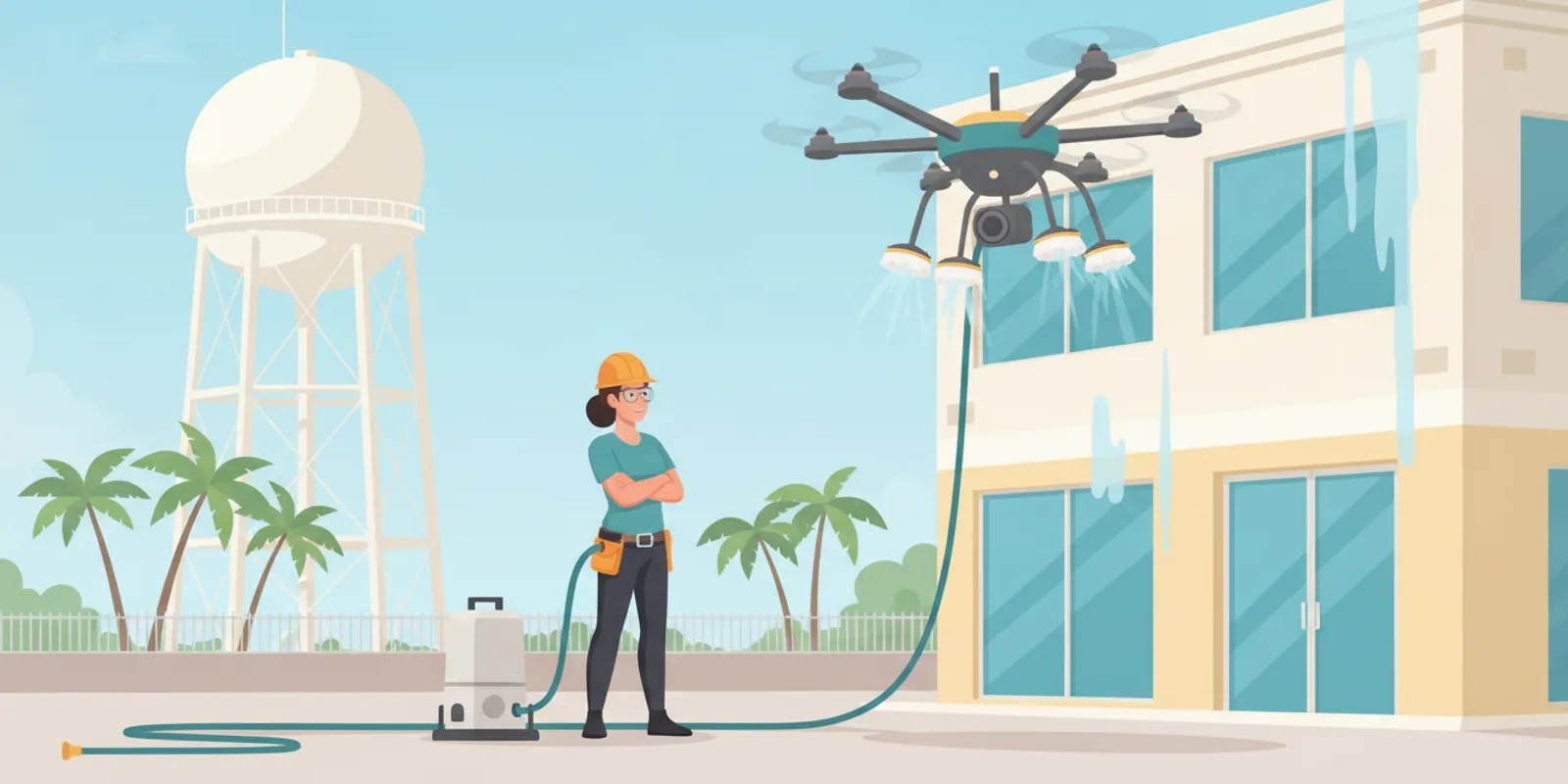
For drone work, the inspection should confirm an appropriate flight path and enough open operating space. Skybots uses battery-powered equipment, and the cleaning setup requires an available water source. A connected hose can deliver water to the cleaning equipment, but the route, length, pressure, and practical arrangement depend on the site. Ask how the source will be reached and whether the route creates access conflicts.

Photos can help introduce a project, but they do not replace an on-site review. A wide image may not reveal an obstruction, fragile surface, restricted access point, or activity that changes during the day. During the assessment, the property representative can explain priorities, point out repairs or sensitive areas, and ask how the provider will handle unexpected conditions.
Skybots describes a four-step service process and professional operators. Review how drone cleaning works before the inspection, then use the site review to confirm whether drone cleaning, another method, or a combination makes sense. The overview of commercial exterior cleaning services can also help a manager prepare a complete request.
Which methods belong in intelligent cleaning solutions?
A sound plan compares methods against the specific task. Drone cleaning may help reach suitable multi-story exterior areas while operators remain on the ground. Water-fed poles may suit windows reachable from a suitable ground position. Commercial pressure washing may fit compatible hard surfaces and accessible work areas. Soft washing may be appropriate where a lower-pressure approach is better suited to the material and soil.
These methods are not interchangeable. The provider should explain why a method fits each area, how the surface will be protected, how water and runoff will be handled, and what preparation is needed. A project may combine several methods. Lifts or scaffolding may also be appropriate for particular conditions, so evaluate them as part of the full project rather than dismissing them in advance.
Approach | May suit | Confirm before scheduling |
Drone cleaning | Suitable multi-story exterior areas with a workable flight path | Height, surface, flight path, water access, weather, and surrounding activity |
Water-fed pole window cleaning | Windows reachable from an appropriate ground position | Reach, obstacles, window condition, water supply, and expected finish |
Commercial pressure washing | Compatible hard surfaces with accessible work areas | Surface tolerance, pressure, runoff, nearby occupants, and protection needs |
Soft washing | Surfaces where lower-pressure treatment is appropriate | Material compatibility, products, application, and site controls |
Lift or scaffold access | Projects where conditions or scope call for supported access | Setup area, permissions, schedule, safety plan, and proposal costs |
This comparison is a starting point, not a technical specification. A surface that has not been assessed should not be assumed suitable for a treatment. The written proposal should identify the method for each area and note limitations. If the proposed result is a particular appearance, ask what level of finish is realistic for the material and its current condition.
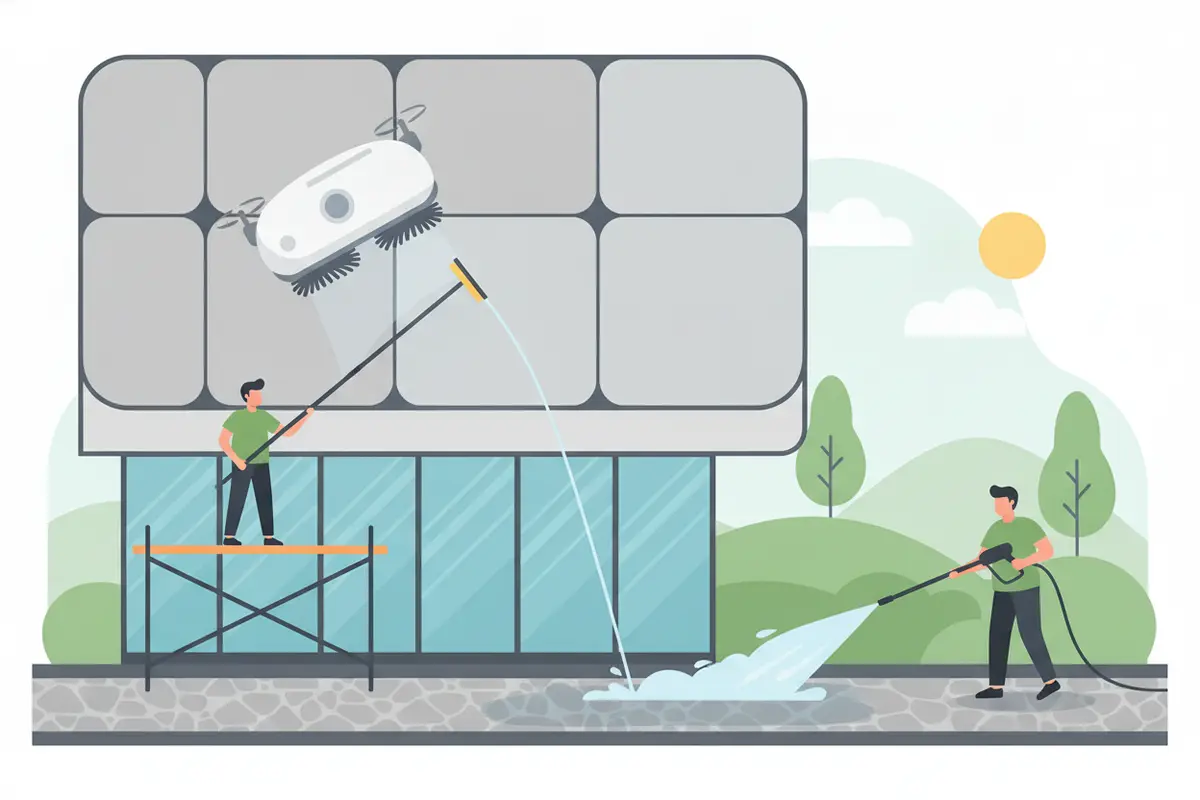
Compare methods against the property's priority. If appearance at a main entrance matters most, the scope may emphasize visible glass and facade areas. If routine maintenance is the goal, the plan may define repeatable areas, a consistent visit sequence, and records that help schedule later work. A facility team focused on continuity may prefer work windows that avoid deliveries or peak visitor times.
How should teams evaluate safety and disruption?
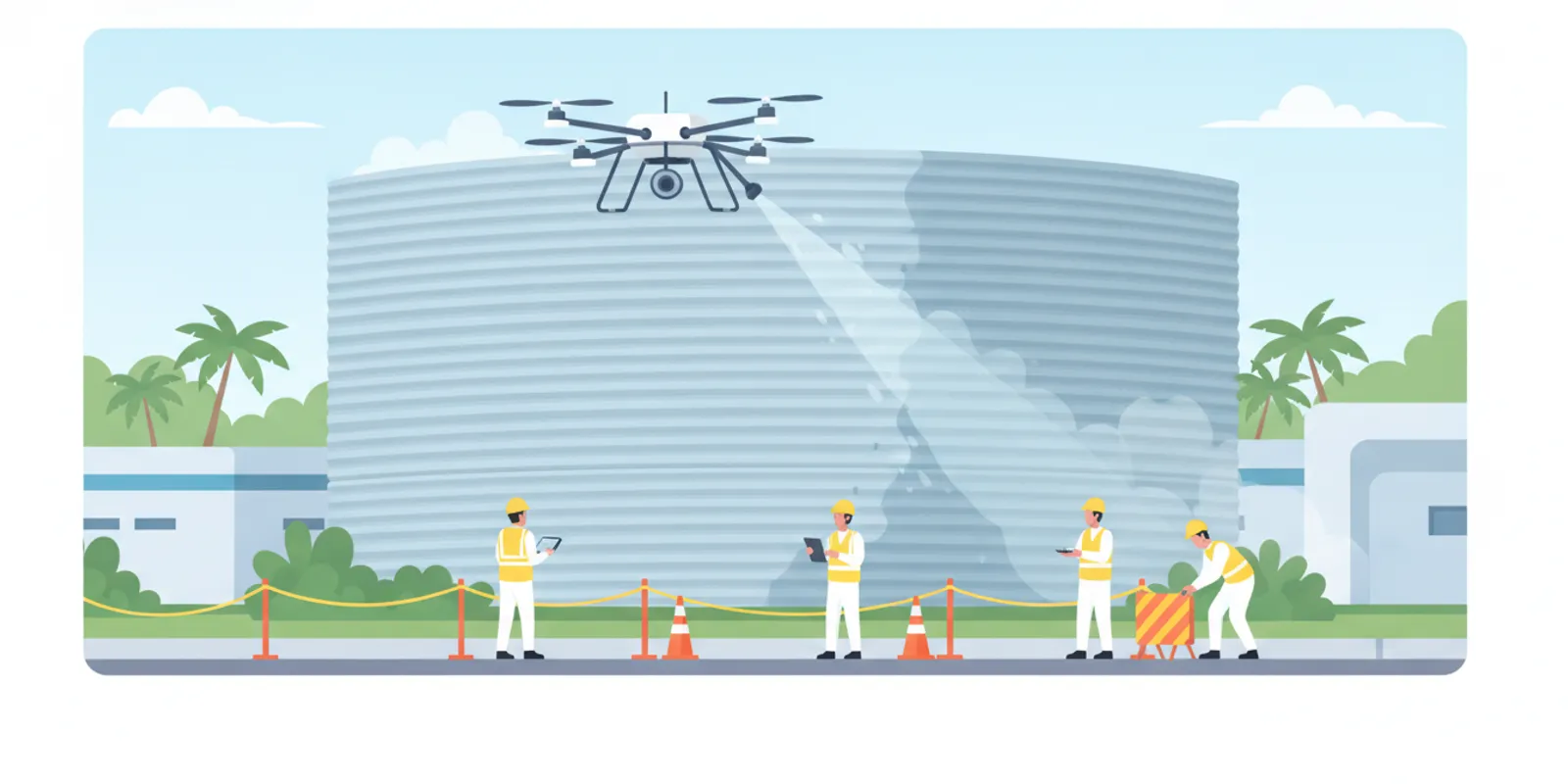
Safety planning covers people, property, equipment, and the work zone. Ask who controls the area, how pedestrian and vehicle movement will be managed, what happens if weather changes, and how the crew communicates with building staff. For drone operations, discuss operator qualifications, flight planning, site-specific restrictions, and procedures for stopping work when conditions are unsuitable. The Federal Aviation Administration provides information about federal aviation requirements; the provider should explain how applicable requirements and site controls will be addressed for the specific job.
Compliance is a baseline, not a replacement for local planning. Confirm the work zone, staging location, access routes, and any nearby operations that need coordination. A property representative should know whom to contact if an entrance becomes blocked or a tenant raises a concern. Ask how the team will communicate a delay or a change in conditions.
Disruption planning is practical. Agree on work windows, access points, notifications, staging areas, and entrances that must remain open. Commercial properties may have deliveries, tenants, visitors, and loading activity. Residential properties may need advance notice and coordination with management. Industrial sites may have restricted areas or active equipment that require additional controls.
Put expectations in writing. A useful scope records the areas, method, preparation, exclusions, work hours, site contact, and process for handling blocked access or a weather delay. It should also explain how changes are reviewed and approved. Clear communication lets the property team make decisions without interrupting the crew's work.
How can property managers compare quotes?
Pricing depends on the property and scope, so a universal rate is not a dependable comparison. Skybots determines pricing through an on-site inspection and custom quote. To compare proposals fairly, give each provider the same information and ask for comparable descriptions of the work.
List the exact elevations, windows, roofs, or other exterior areas requested.
Share approximate height, surface details, access constraints, and water availability.
Ask which method is proposed for each area and why it fits the material.
Confirm whether preparation, protection, work-zone controls, cleanup, and communication are included.
Ask what is excluded and which conditions could change the scope.
Compare timing, visit frequency, and the work included in any recurring schedule.
Consider two hypothetical proposals for the same office building. Proposal A covers only the front facade and names a single method. Proposal B separates glass from painted panels, specifies access and water arrangements, and identifies exclusions. The second may be easier to evaluate even if the price is higher, because the manager can see what each amount covers. The useful question is not simply which total is lower; it is whether the scope addresses the actual maintenance need.
A lower amount does not necessarily represent the better plan if important areas, preparation, or controls are missing. Conversely, a more involved proposal may reflect access requirements or a broader scope. Evaluate what work is being purchased, the method proposed, the site conditions addressed, and how clearly the provider states its commitments.
Recurring maintenance can make planning easier, but the right interval depends on exposure, surface, nearby activity, and the appearance standard. Coastal weather, construction, traffic, landscaping debris, and occupant expectations can affect the useful frequency. Review the result over time rather than assuming a fixed cycle.
For a recurring proposal, ask whether the scope stays consistent between visits, how postponed visits are handled, and whether pricing options are shown separately. A clear schedule helps finance, operations, building staff, and tenants understand what will happen. Compare a recurring plan with a one-time project based on the property's needs, not on an assumed discount.
What should a property team prepare before requesting an inspection?
Start with the property address, approximate number of floors, building use, areas of concern, and known surface materials. Include access hours, water source information, site restrictions, recent repairs, sensitive landscaping, active entrances, and the best contact for the review. If the property is in South Florida, the Miami-Dade exterior cleaning and Broward exterior cleaning pages can help managers check relevant service-area information.
Photos are most useful when they show each elevation and close views of problem areas. Label the side of the building and note when the photo was taken. Also note what cannot be seen, such as roof access, a narrow side passage, a nearby roadway, or activity that changes during the day. The provider can verify those details during the inspection.
Location pages for Miami, Coral Gables, and Brickell can be useful when checking local context. For a residential property, the residential drone cleaning guide offers another starting point for questions about suitability.
After the review, confirm the final scope, method, access plan, schedule, and quote in writing. Make sure the decision-maker and on-site contact are using the same version before booking. If the building has multiple stakeholders, circulate the scope early so concerns about access, hours, or tenant notification can be addressed before the scheduled date.
Frequently Asked Questions
How much do intelligent cleaning solutions cost?
There is no universal price for an exterior project. Cost depends on the areas and surfaces involved, building layout, access, method, water requirements, and site conditions. Skybots provides a custom quote after an on-site inspection. Ask for a written scope showing what is included and what could change the price.
How long do cleaning results typically last?
There is no single duration for every property. Weather, coastal exposure, traffic, nearby construction, landscaping, surface type, and the desired appearance all affect how quickly soil returns. Review the property after service and discuss these conditions when setting a useful maintenance interval.
How often should a property be cleaned?
Frequency depends on the building and maintenance goal. A property exposed to salt, traffic, or landscaping debris may need a different schedule from a less exposed site. Ask the provider to recommend an interval based on inspection findings and observed conditions.
Are recurring service schedules available?
Recurring maintenance can be discussed during planning. Request the proposed visit frequency, scope per visit, scheduling terms, and pricing options in writing. Compare the recurring plan with a one-time project so the decision reflects the property's actual needs.
Can a drone clean every building?
No. Suitability depends on height, surface, site access, available water, flight path, weather, and operating conditions. Skybots generally considers drone cleaning for suitable structures from three stories up to approximately 19 or 20 stories, but an inspection is needed to confirm whether a particular property is appropriate.
Plan intelligent cleaning solutions around your property
Intelligent cleaning solutions bring suitable methods, a clear scope, professional operation, and practical communication together. Start with the building's needs and constraints, then arrange an inspection to evaluate the method, schedule, and custom quote with your property team.

Comments